
There are two types of electricity and natural gas meters in Alberta:
- Advanced Metering Infrastructure (AMI)
- Analog Meters
A consumer’s distribution company sends their meter readings to their retailer, who uses the recorded information to produce energy bills. Knowing how to read an electricity and natural gas meter allows consumers to monitor, record, and submit their own energy consumption, but it's important to remember that distribution companies may not be able to use the meter readings consumers have taken themselves if they're not consistent with the previous records.
Consumers can contact their distribution company for more information on how to read their specific type of electricity or natural gas meters.
Advanced Metering Infrastructure (AMI)
AMI, also known as smart meters, is a digital electrical or natural gas meter attached to the outside of the property. Once installed by a distributor, the device sends the daily recorded electricity or natural gas usage to the consumer and the distributor. Having an AMI meter eliminates meter reader visits and allows for the actual - instead of estimated - consumption to be billed every month.
Analog meters
If an analog meter is installed at a property, the distribution company may need to estimate electricity and natural gas usage.
How to read an electricity meter
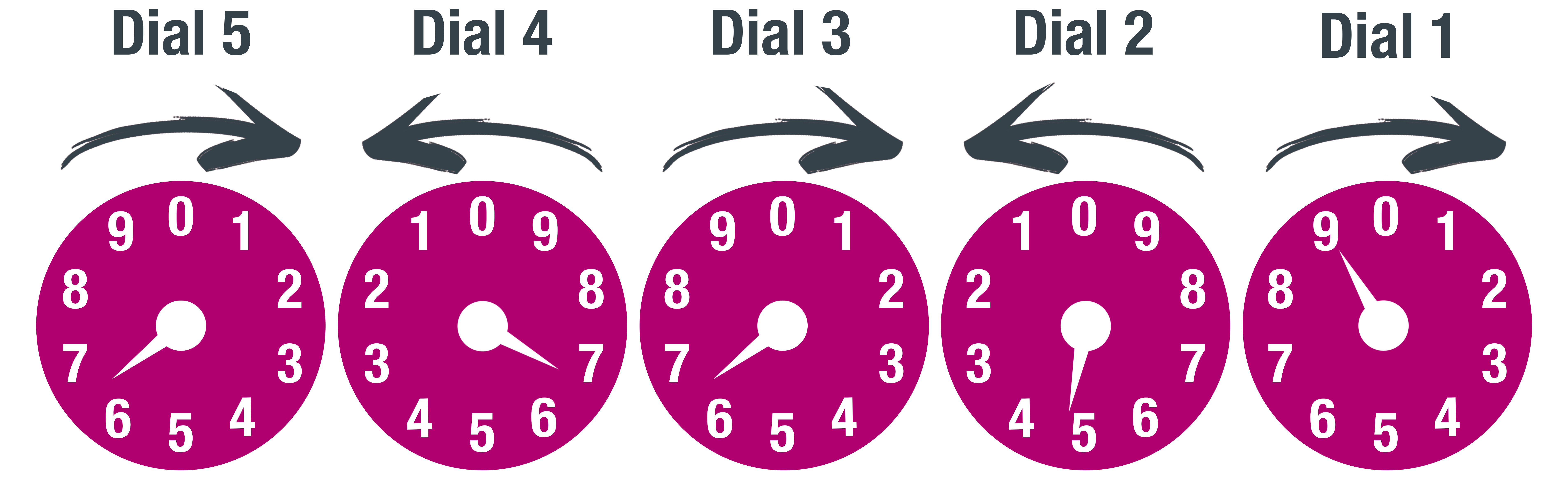
Like a car odometer, read the dial from left to right
Record the number that the dial is pointed at. If it’s not pointed at a number directly, round down to the next lowest number
If consumers are submitting their recordings to their distribution company, it is important to do so on the same day as the meter is read.
How to read a natural gas meter

Like a car odometer, read the dial from left to right
Record the number that the dial is pointed at. If it’s not pointed at a number directly, round down to the next lowest number, unless the dial is between zero and nine, then use nine.
If consumers are submitting their recordings to their distribution company, it is important to do so on the same day as the meter is read
Don't report the 1,000 dial. Consult it instead. If the 1,000 dial is five or higher, round up by one digit
Residential vs. commercial meters
The type of meter at a property determines the rates charged by the retailer. Unlike residential meters that only record total energy used in a one-month period, commercial meters measure both hourly and peak demand energy use. The distribution company might install a commercial meter on residential property if the property owners have a home-based business and require a reliable supply of energy at all times. If a commercial meter is installed, the utility bill is going to be higher because of higher distribution charges. There are no regulations in place requiring the retailer to confirm what the property is being used for when the billing customer changes. It is the consumers' responsibility to ask the retailer about the type of meter installed at the property and ask that it be changed.
Sub-meters
For Albertans living in an apartment or condominium, the building may have bulk-metering installations to allocate energy costs to the residents. Measurement Canada ensures the accuracy of these devices through measurement standards and a certification program.
If consumers have questions about the sub-metering devices in their building they can contact their landlord, condo board, or property management company.
Consumers can contact their distribution company for more information on how to read their electricity or natural gas meters.
Concerned about accuracy?
If consumers are concerned about the accuracy of their electricity or natural gas meter, there are a few steps they can take:
- Monitor electricity and natural gas usage. Usage can spike for several reasons including hot or cold weather, new appliances, and more people being home.
- Contact the distributor so they can investigate.
- File a complaint with Measurement Canada.